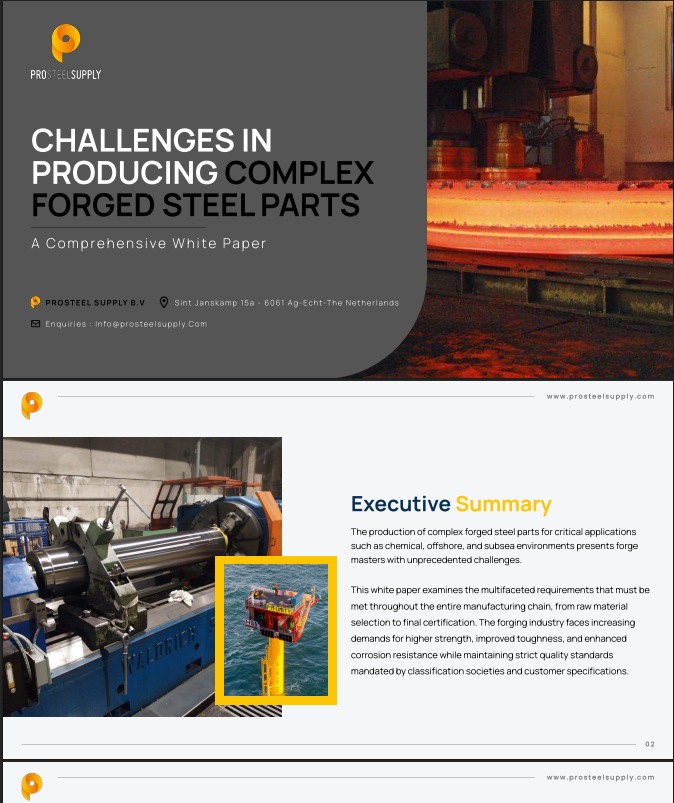
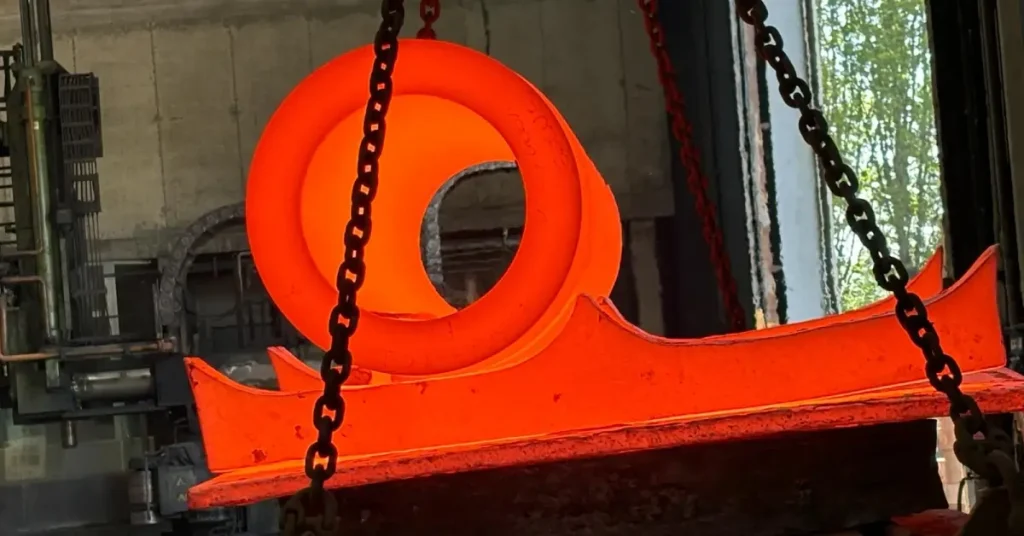
Of all the heat treatment processes applied to industrial steel, quenching and tempering is the one most closely associated with high performance. It is the treatment that transforms a steel from a serviceable structural material into a high-tensile, fatigue-resistant component capable of withstanding demanding mechanical and pressure-related loads.
This article explains the quenching and tempering process in detail, covers the benefits it delivers, identifies the applications where it is essential, and describes what to look for when selecting a steel supplier that can deliver quenched and tempered material to specification.
What Is Quenching and Tempering?
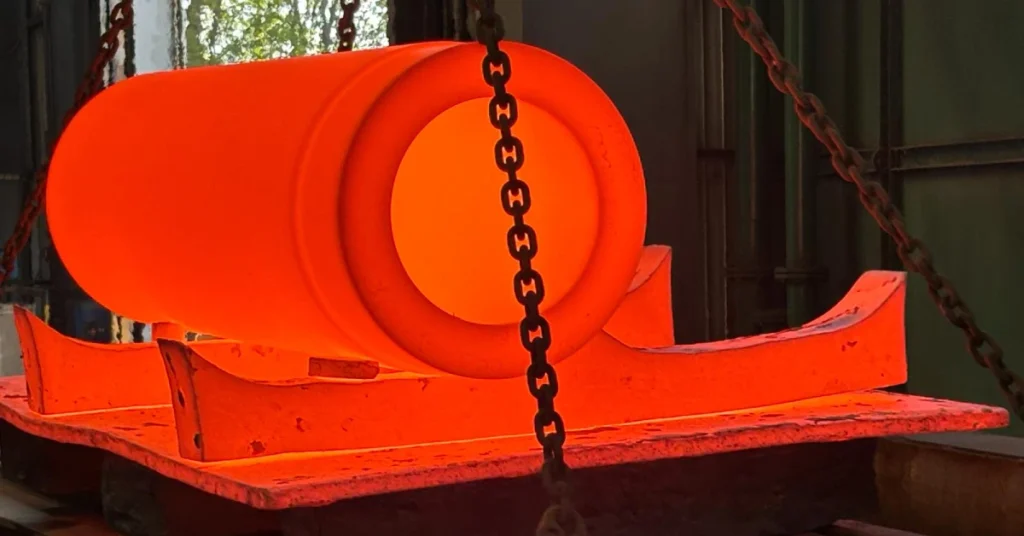
Quenching and tempering is a two-stage heat treatment. In the first stage, the steel is heated to a temperature above its critical transformation range, austenitizing it to produce a uniform austenite microstructure. It is then rapidly cooled, or quenched, in a medium such as water, oil, or polymer solution. This rapid cooling suppresses the formation of softer microstructural constituents and produces martensite, a very hard but brittle phase.
Martensite in the as-quenched condition is often too brittle for most engineering applications. The second stage, tempering, addresses this by reheating the quenched steel to a temperature below the critical range, typically between 150 and 700 degrees Celsius depending on the required properties, and holding it for a defined time before controlled cooling. Tempering converts much of the brittle martensite into tempered martensite, which has significantly improved toughness while retaining most of the hardness gained during quenching.
The Quenching and Tempering Process in Practice
Austenitizing Temperature
For most carbon and alloy steels the austenitizing temperature falls between 830 and 880 degrees Celsius. The steel must be held at this temperature long enough to ensure full transformation and homogeneous carbon distribution throughout the section. For large cross-sections this soak time is substantial, and uneven temperatures within the furnace translate directly into uneven properties in the finished part.
Quench Medium
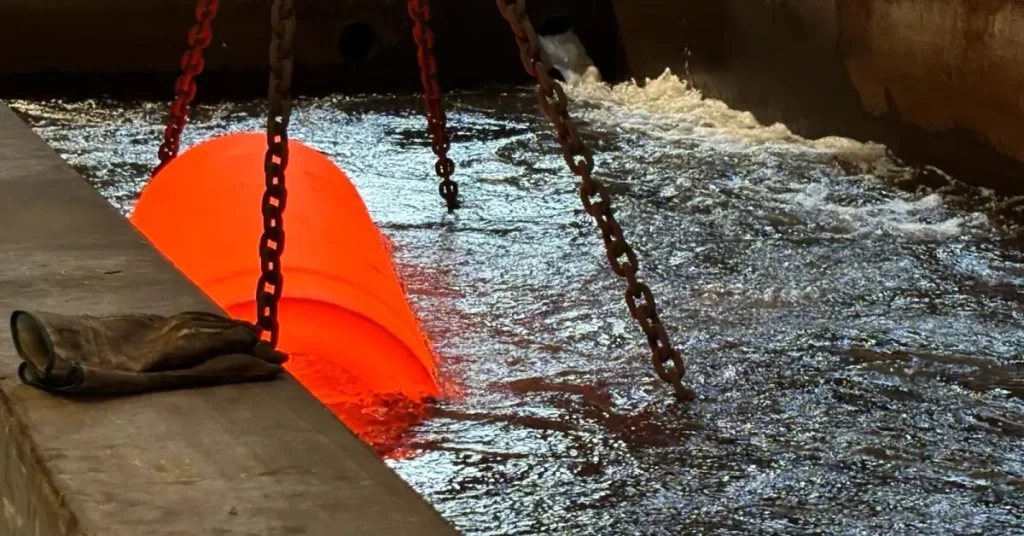
The quench medium and agitation rate determine the cooling rate at the surface and through the section. Water quenching gives the fastest cooling and the deepest hardness penetration but introduces high thermal stress, which can cause distortion or cracking in complex geometries or high-alloy steels. Oil quenching cools more slowly, reducing the risk of quench cracking, and is the standard for many alloy steels. Polymer quenching allows the cooling rate to be tuned by adjusting the concentration, offering a middle ground between water and oil.
Tempering Temperature and Properties
The tempering temperature has a direct and predictable effect on the mechanical properties of the quenched and tempered steel. Higher tempering temperatures increase toughness and ductility at the cost of strength and hardness. Lower tempering temperatures preserve more hardness but reduce impact resistance. For most structural and pressure-retaining applications, a tempering temperature in the range of 550 to 650 degrees Celsius is used to achieve a good balance of strength, toughness, and ductility.
Mechanical Properties of Quenched and Tempered Steel
Compared with the same steel in the normalized or as-rolled condition, quenched and tempered steel typically offers:
- Higher yield strength and tensile strength, often by 50 percent or more depending on the grade and tempering temperature
- Improved fatigue resistance under cyclic loading
- Better strength-to-weight ratio for weight-critical applications
- Controlled toughness, particularly important for low-temperature applications
- Uniform properties through the section in properly hardenable grades
Which Steel Grades Are Suitable for Quenching and Tempering?
Not all steels respond equally to quenching and tempering. The steel must contain enough carbon and alloying elements to achieve adequate hardenability, meaning the ability to form martensite through the thickness of the section during quenching. Shallow-hardening steels achieve the desired microstructure only in thin sections or at the surface.
Grades commonly supplied in the quenched and tempered condition include AISI 4140 and 4340 alloy steels, EN 10083 grades (42CrMo4, 34CrNiMo6), ASTM A193 bolting steels, and various pressure vessel grades under ASME and EN standards. For very large sections, high-alloy grades with enhanced hardenability are required to ensure uniform properties through the full cross-section.
When to Specify Quenched and Tempered Steel
- High-tensile fasteners and bolting: Grade 8.8, 10.9, and B7 studs are all quenched and tempered.
- Pressure vessel components: Flanges and forgings for high-pressure service where Charpy impact properties at low temperatures are required.
- Shafts under dynamic loading: Rotating machinery where fatigue life determines component service life.
- Structural applications with high yield requirements: Offshore platforms, lifting equipment, crane hooks.
- Wear-resistant components: Low tempering temperatures can be used to maintain high hardness for abrasion resistance.
Documentation and Traceability for QT Steel
For regulated applications, documentation of the heat treatment cycle is as important as the mechanical test results. The material test report (MTR or mill cert) should include the heat treatment condition, furnace identification, austenitizing and tempering temperatures, hold times, and quench medium. For critical applications, independent third-party inspection of the heat treatment records adds a further layer of assurance.
At ProSteel Supply, all quenched and tempered material is supplied with full documentation. Explore our full range of forging and heat treatment services to discuss your specific mechanical property requirements with our technical team.