How to source forged steel components from Europe: a buyer’s guide
Summary Sourcing forged steel components from Europe involves selecting the right forge, specifying the correct material, managing certifications and coordinating delivery. Europe has a strong base of open die forging companies and rolled ring forgings suppliers, concentrated in Germany, Italy, the Czech Republic and Scandinavia. Key considerations include NORSOK M-650 qualification (for duplex, superduplex and […]
Quenched and tempered steel: grades, properties and industrial applications
Summary Quenched and tempered (Q&T) steel is heat treated in two stages. First, the steel is heated above its critical temperature and rapidly cooled (quenched) in water, oil or polymer. This creates a very hard martensitic structure. Then it is reheated to a lower temperature (tempered) to restore toughness. The result is steel with high […]
Steel forgings for oil and gas: subsea materials, certifications and lead times
Summary Steel forgings for oil and gas include flanges, hubs, connectors, valve bodies and swivel components. Common materials are carbon steel (ASTM A105, A350 LF2), duplex stainless steel (UNS S32205), superduplex (UNS S32750/S32760), 6Mo superaustenitic steel and nickel alloys like Inconel 625. NORSOK M-630 specifies material requirements. NORSOK M-650 requires manufacturer qualification for special alloys. […]
Impression die forging: process, applications and how it compares to open die
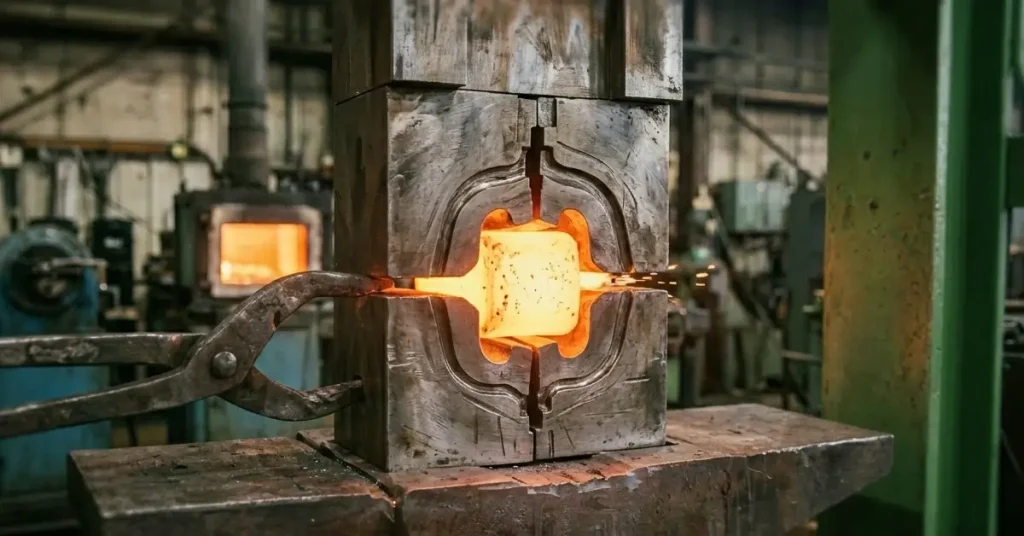
Summary Impression die forging (also called closed die forging) shapes heated metal inside a set of dies that contain the part’s profile. The dies close around the workpiece and force it into shape. This produces parts with tighter tolerances and less machining than open die forging. Open die forging shapes metal between flat or simple […]
Post weld heat treatment of carbon and stainless steel: a practical guide
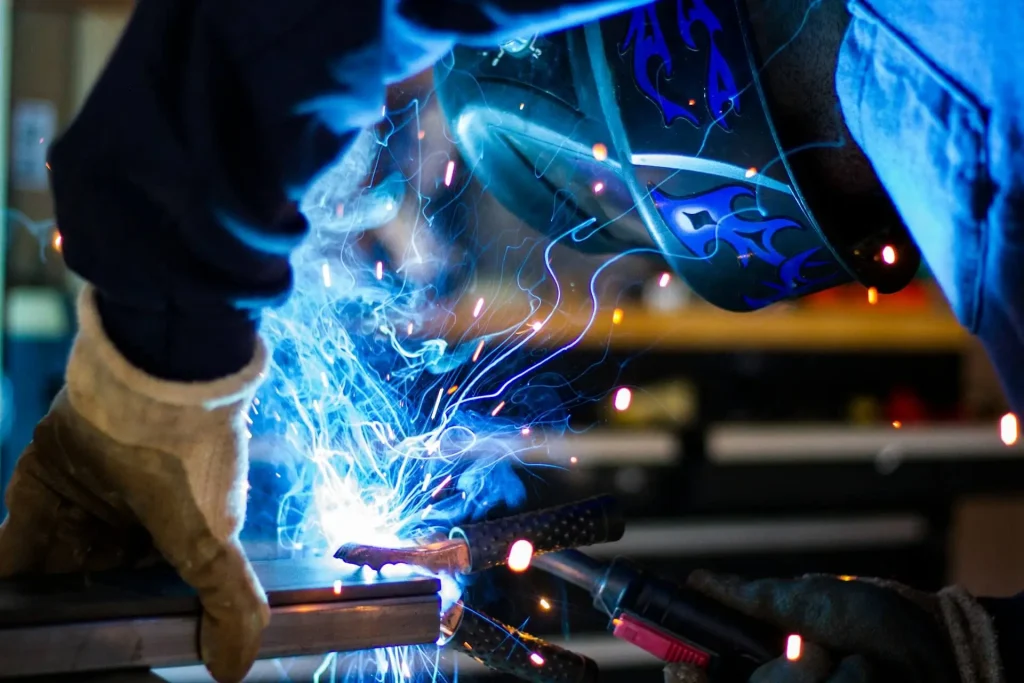
Summary Post weld heat treatment (PWHT) is a controlled heating process applied after welding. For carbon steel, PWHT relieves residual stresses and reduces hardness in the heat affected zone. Typical PWHT for carbon steel involves heating to 550 to 700 degrees Celsius and holding for a set time. For stainless steel, the approach differs by […]
Ring rolling for offshore wind: monopile flanges and turbine tower rings
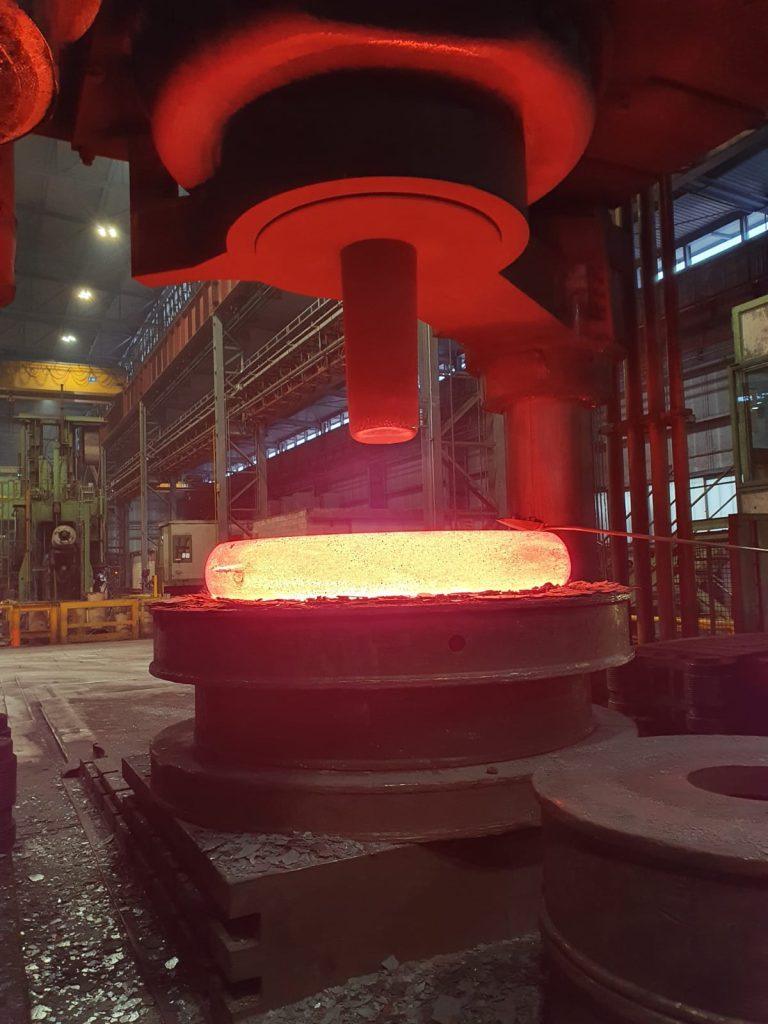
Summary Ring rolling produces seamless rolled rings for offshore wind applications. These include monopile connection flanges, turbine tower rings and installation tooling. Seamless rolled rings are forged from a single billet. A pierced billet is expanded on a ring rolling mill. Diameters can reach 3.5 to 6 metres or more. The process creates a continuous […]
Forging vs casting vs machining: a complete comparison for engineers
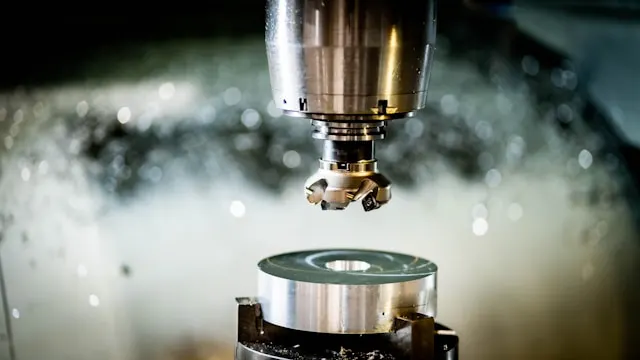
Summary Forging, casting and machining are three fundamental metalworking processes. Forging shapes heated metal under compressive force. It produces the strongest grain structure. Casting pours molten metal into a mould. It handles complex shapes at lower cost for large volumes. Machining removes material from a solid block using cutting tools. It delivers precision but wastes […]
Types of heat treatment for steel: annealing, normalizing, quenching and tempering
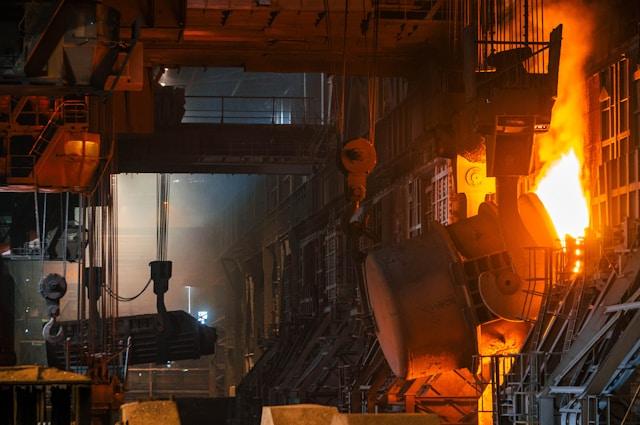
Summary The four main types of steel heat treatment are annealing, normalizing, quenching and tempering. Annealing softens steel and relieves internal stress. Normalizing refines the grain structure for uniform properties. Quenching rapidly cools steel to increase hardness. Tempering follows quenching to restore some toughness. Each process changes the microstructure of the steel. The right heat […]
FPSO swivel stack components: materials, standards and offshore requirements

Summary FPSO swivel stacks are rotating pipe assemblies on floating production vessels. They connect subsea oil and gas fields to the FPSO above. The swivel allows the vessel to rotate freely. Meanwhile, oil, gas and process fluids flow uninterrupted. These components require forged steel parts. Duplex and superduplex stainless steels are common choices. All materials […]
Open die forging defects: causes, detection and how to prevent them
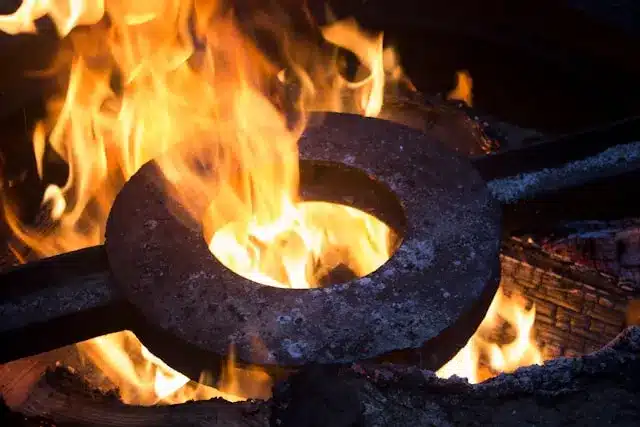
Summary Common open die forging defects include surface cracks, internal voids, inclusions, laps, cold shuts and improper grain flow. Causes range from incorrect forging temperatures and insufficient deformation to poor ingot quality and flawed heat treatment. Detection methods include ultrasonic testing, magnetic particle inspection and visual examination. Prevention starts with proper ingot selection, controlled forging […]